Here you work on real parts from the start — on instruments that will later be needed in an operating theatre. That is harder than a practice plate. And it is exactly why people really learn the trade here.
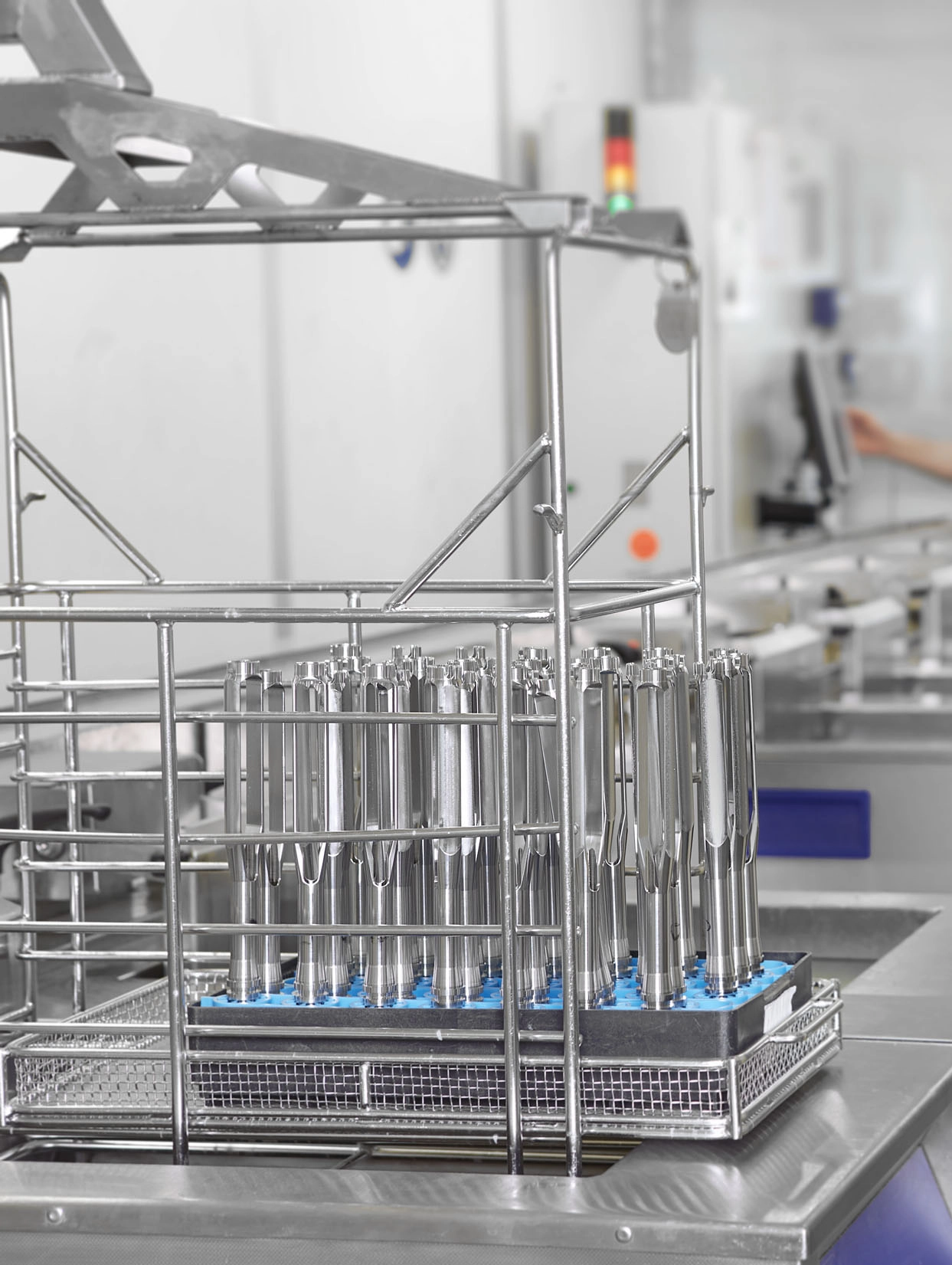
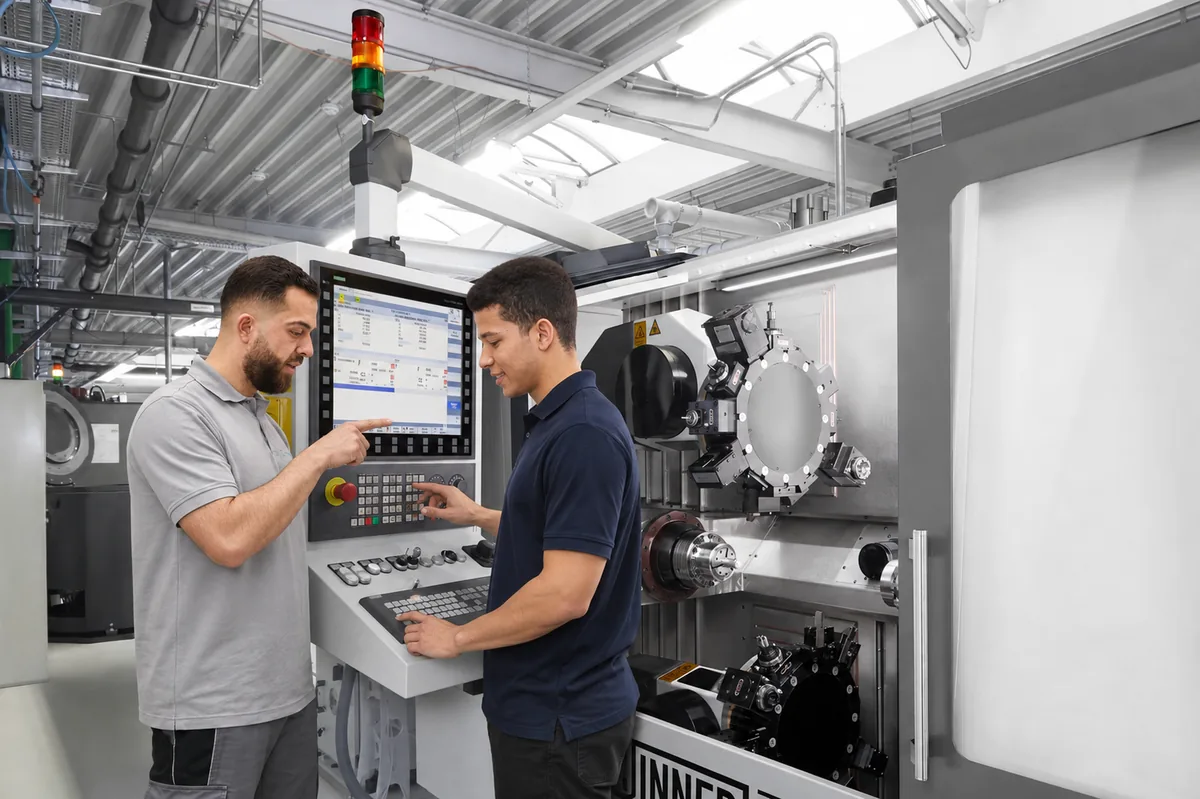
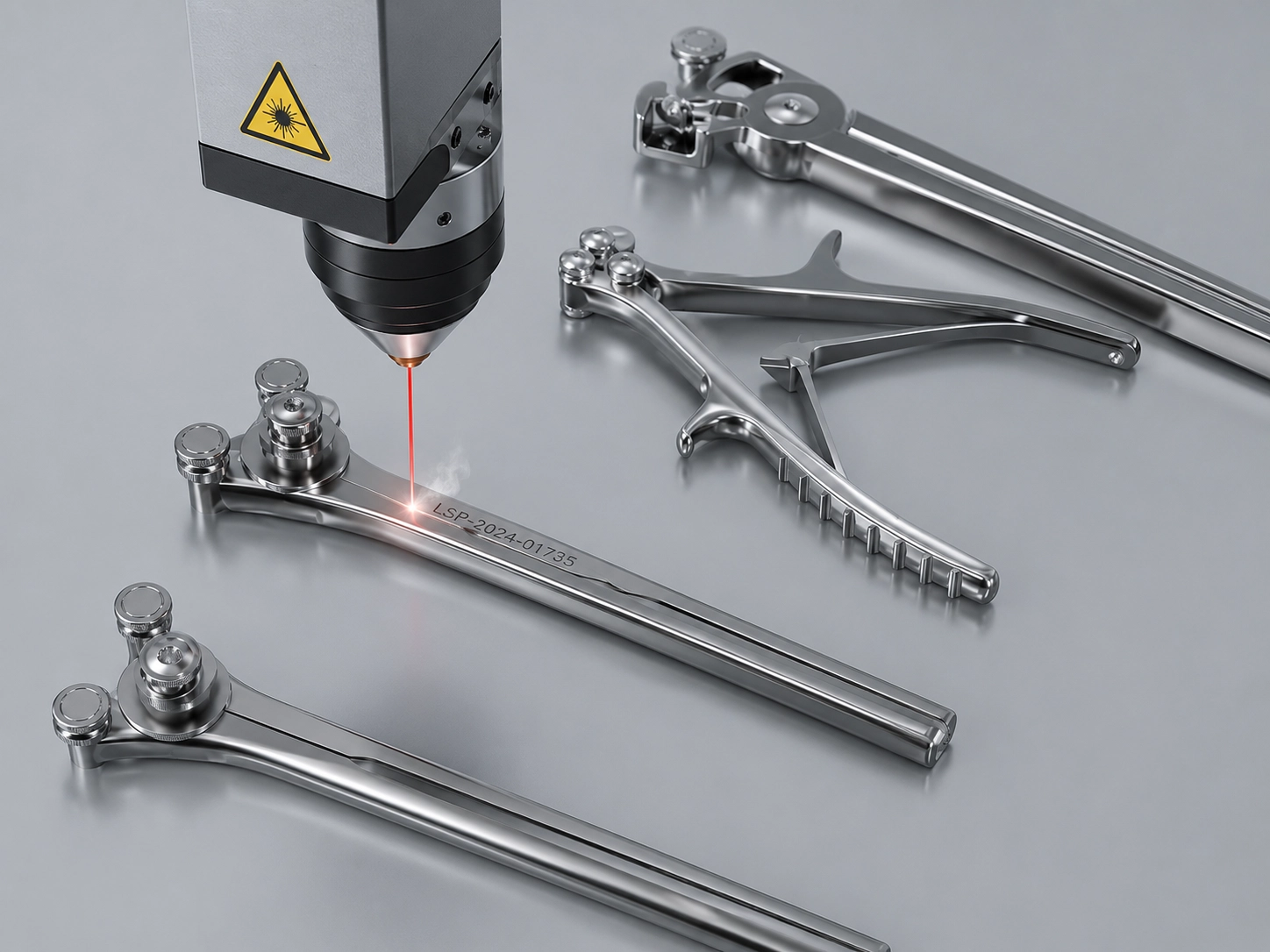
Surgical instruments have been made in Tuttlingen since 1867. Today around 400 medical technology companies are based in the district. Anyone who trains here comes out with a qualification that is in demand worldwide — and a labour market right on the doorstep.
No months of filing away at practice pieces. You work on what is actually delivered — with guidance, but with genuine responsibility.
You are not apprentice number 47. There are people who know your name and who notice when something is not going smoothly.
What you make is needed when someone is unwell. That is an argument that still holds up twenty years later.
Technician, master craftsman, surgical instrument making, quality assurance, design — the apprenticeship is a starting point, not an end point. If you want to go further, you get support.
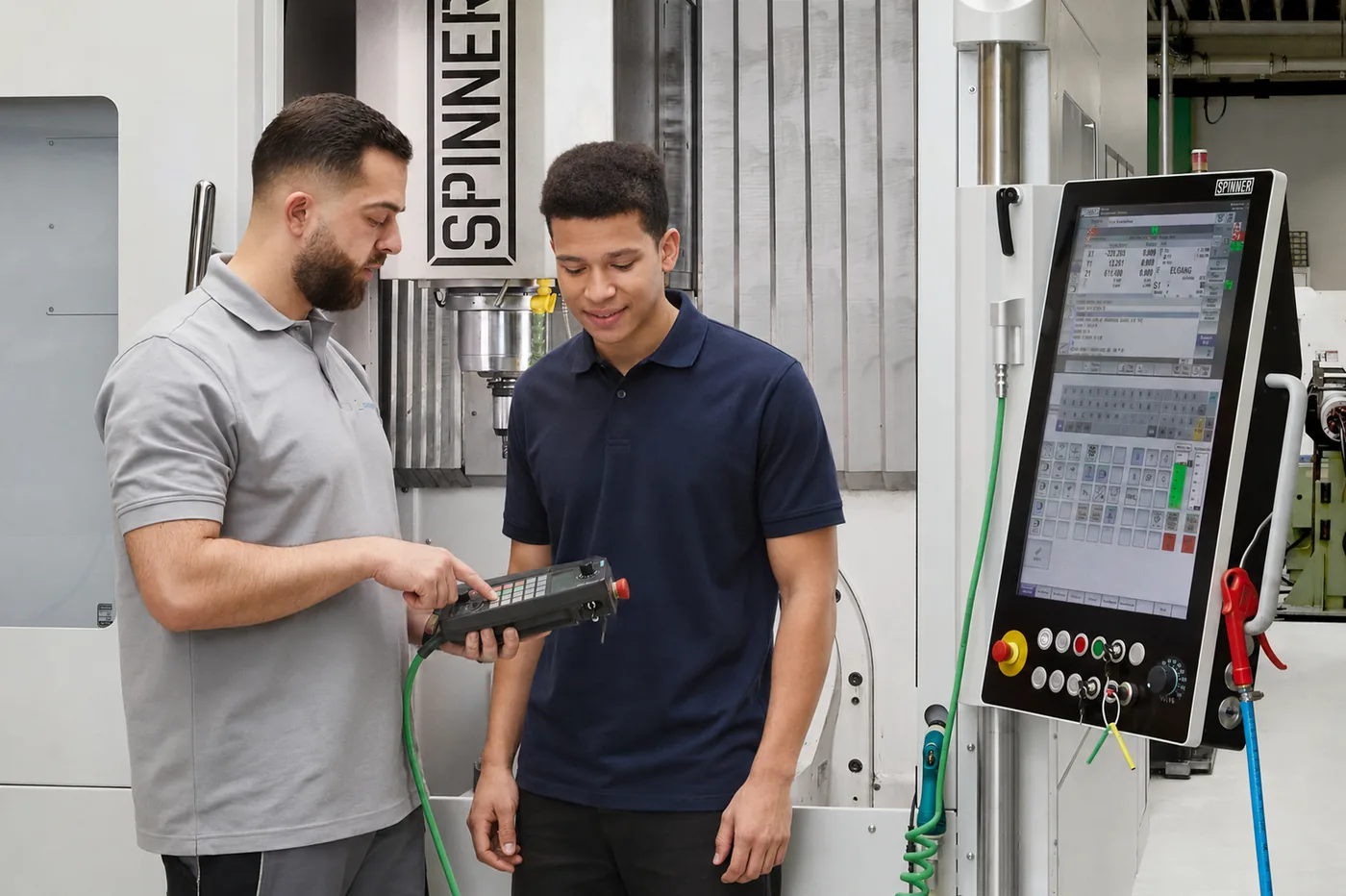
Every apprenticeship has its own page setting out how it works, what you need and who to talk to. If the trade you have in mind is not listed: ask anyway.
Company and vocational school in alternation — and a scope of responsibility that grows every year.
You get to know the materials we work with, learn to read technical drawings and stand at your first machines. Alongside that: vocational school and the basics of metrology — because what you cannot measure, you cannot manufacture.
Now it is on to CNC machining. You set up machines, understand programmes and learn why a tolerance of a few hundredths is no luxury on a surgical instrument.
You work on live customer orders, get to know our quality management system to DIN EN ISO 13485 and come to understand why every manufacturing step in medical technology has to be traceable. Intermediate examination included.
In the last six months you work largely on your own and prepare for your final examination. We talk about keeping you on well in advance, not on your last day.
You should not have to commit to a trade you only know from a video. Come and see the machines, talk to the people who work on them. A single day is often enough to know whether it suits you. Parents are welcome to come along.
A good secondary school leaving certificate is enough; a higher one is welcome. More important than your German mark are maths, technical understanding and a willingness to work carefully. If you are unsure whether your certificates are good enough, simply send them — we will tell you honestly how we see it.
Yes, and we would strongly recommend it. A week of work experience gives you a far better feel for the trade than any text can convey. Give us a call and we will find a date.
We train people to gain skilled workers, not to fill apprenticeship places. Keeping you on is therefore what we are aiming for. It depends on your performance and our order situation, and we talk about it well before you qualify, not afterwards.
Vocational school takes place in the region — no move, no long commute. We will go through the particular school and the block timetable with you before your apprenticeship starts.
Each intake starts in September. It is best to apply around a year in advance. Later applications are still welcome as long as the place is free — a short phone call settles that in two minutes.
We will tell you the apprenticeship pay at the interview or on request — it rises with each year, as is usual. Do ask about it directly; it is one of the questions everyone should be asking.
Then you are in good company — almost everyone feels that way. That is exactly what work experience is for: stand alongside us for a day, pick something up yourself, and then say honestly whether it fits. A "no" is a good result too.
That is all you need to get started. Everything else we sort out in person.